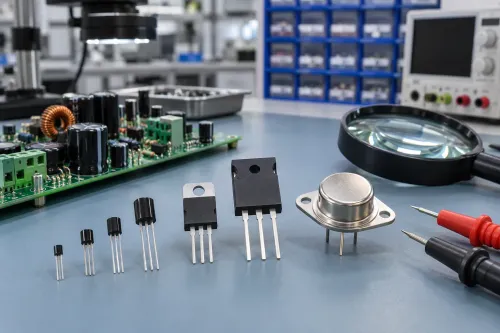
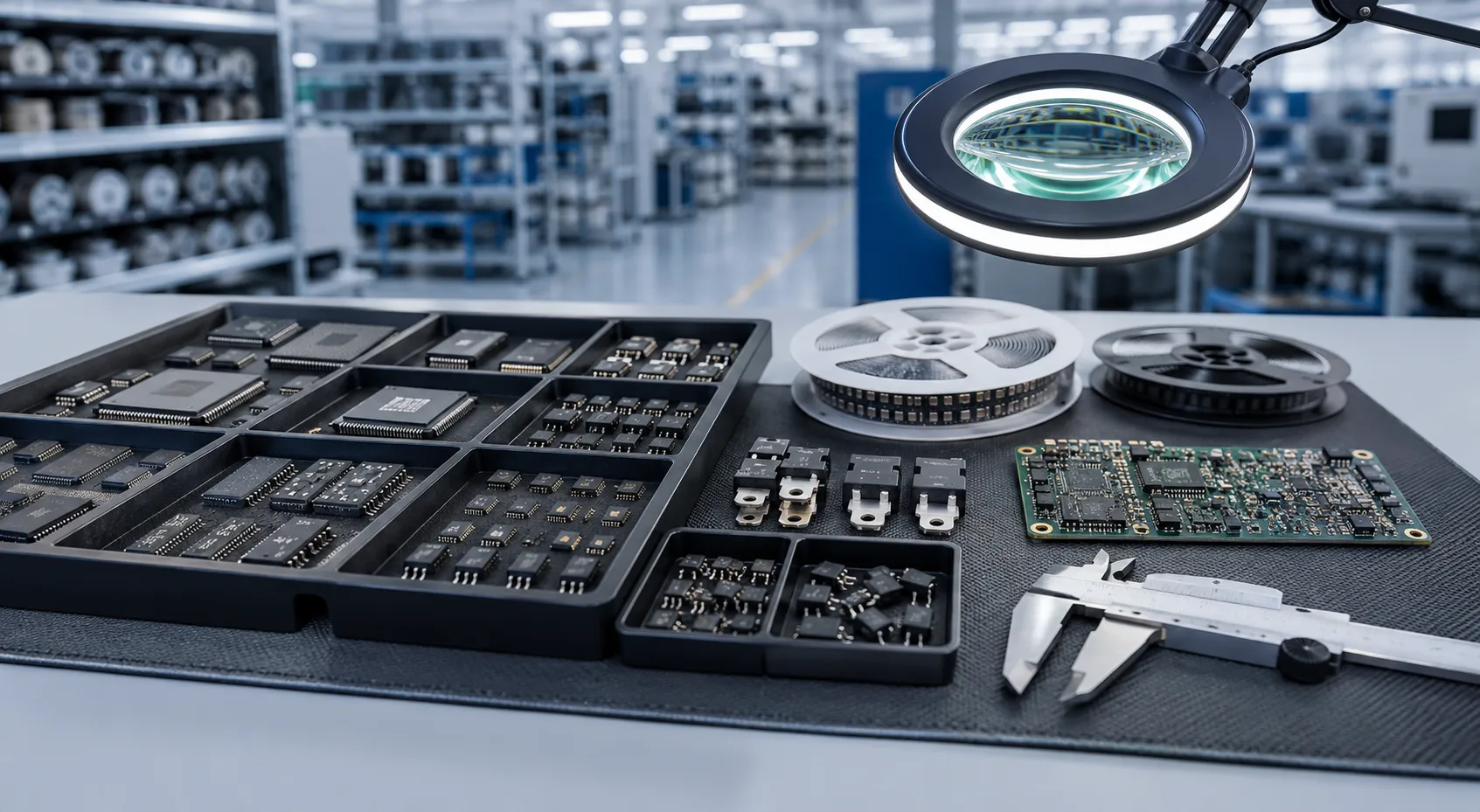
Semiconductors form the functional core of modern electronic systems. From power supplies and automation panels to control boards, telecommunications equipment, consumer electronics, and industrial machinery, their performance can influence the reliability of an entire product.
For this reason, selecting a Semiconductor Components Supplier in Delhi requires careful technical and commercial evaluation, especially when components are being purchased for OEM production.
Start With the Exact Application
The first step is understanding where the semiconductor will operate.
A purchasing team may receive a part number from engineering, but procurement becomes more effective when buyers also understand critical application requirements. These could include switching speed, voltage handling, current capacity, thermal behaviour, frequency, package type, or operating temperature.
This information becomes particularly valuable when the specified part is unavailable and an alternative needs to be evaluated.
A replacement should never be selected merely because it appears to perform the same broad function.
Check Critical Datasheet Parameters
Semiconductor datasheets contain detailed technical information, but several specifications typically deserve immediate attention.
Depending on the device, check:
- Maximum voltage
- Current rating
- Power dissipation
- Junction temperature
- Package configuration
- Pin configuration
- Switching characteristics
- Thermal resistance
- Frequency response
- Recommended operating conditions
Engineers should confirm which specifications are essential and which allow reasonable flexibility.
Package Compatibility Can Be Easily Overlooked
Two semiconductors may offer similar electrical characteristics while using different packages or pin arrangements.
That difference can make a seemingly suitable replacement incompatible with an existing PCB.
For established products, changing package type may require board redesign, tooling changes, testing, or enclosure modifications. Procurement teams should therefore verify both electrical and physical compatibility before approving substitutes.
Consider Production Volume and Supply Continuity
Prototype sourcing and production sourcing involve different priorities.
During development, an engineer might need only a handful of components. Once the design moves into production, the requirement can increase significantly and become recurring.
Before approving a semiconductor source, OEMs should consider:
- Current quantity availability
- Expected future availability
- Lead times
- Minimum order quantities
- Packaging options
- Batch consistency
- Alternative component availability
Delhi and the wider National Capital Region support a substantial electronics and industrial customer base, making supply planning particularly relevant for manufacturers working on repeated production schedules.
Traceability Supports Better Quality Control
Semiconductor procurement becomes more dependable when part identity and technical information can be verified.
Clear part numbers, manufacturer references, datasheets, labels, packaging details, and relevant documentation help incoming quality teams perform appropriate checks.
Traceability becomes especially important when components are used in industrial equipment expected to operate for long periods.
Evaluate More Than the Quotation
Procurement managers naturally compare prices, but semiconductor sourcing should be evaluated on total procurement risk.
A cheaper component that causes production interruptions or additional testing can quickly become expensive.
Useful supplier evaluation criteria include technical responsiveness, specification clarity, quantity availability, documentation, packaging, dispatch planning, and ability to support repeat requirements.
MAXGTECH serves B2B electronic component requirements in Delhi, including semiconductor categories used by electronics manufacturers, engineers, OEMs, distributors, and industrial buyers. Buyers evaluating any provider should match available components against their approved technical and commercial criteria rather than relying on price alone.
Create an Approved Semiconductor Sourcing Process
A practical purchasing workflow can include engineering verification, supplier evaluation, sample approval where necessary, incoming inspection, and controlled bulk procurement.
For recurring products, maintaining approved alternatives for critical semiconductors can also reduce the impact of future shortages.
The right Semiconductor Components Supplier in Delhi should help procurement teams maintain the balance between specification accuracy, commercial feasibility, and supply continuity.
For OEM production, that balance is what turns component purchasing into a dependable supply-chain function rather than a recurring production risk.
Keywords