Industrial electronics procurement becomes increasingly complex as products incorporate more semiconductor devices, sensors, power modules, cooling components, converters, and specialised control electronics.
For OEMs and manufacturers, selecting an Industrial Electronic Components Supplier in Delhi is therefore not simply about locating individual parts. The larger challenge is building a sourcing process that supports technical accuracy, production schedules, quality control, and repeat requirements.
Know When Your Existing Sourcing Process Needs Improvement
Several warning signs can indicate that component procurement is creating unnecessary operational risk.
These include frequent production delays, repeated substitutions, inconsistent documentation, difficulty identifying exact parts, excessive emergency purchasing, and engineering teams spending significant time resolving sourcing problems.
When these patterns become common, supplier selection and procurement procedures deserve closer attention.
Begin With a Clean Bill of Materials
A reliable procurement process starts with accurate component information.
The bill of materials should ideally include:
- Manufacturer part number
- Component description
- Package
- Required quantity
- Approved manufacturer
- Approved alternatives
- Critical technical notes
- Lifecycle information where relevant
Incomplete BOM data creates unnecessary ambiguity when procurement teams request quotations.
Separate Exact Matches From Flexible Requirements
Not every component requirement has the same level of flexibility.
Certain ICs, FPGAs, power modules, or specialised semiconductors may require an exact approved part. Other components may allow alternatives after technical evaluation.
Marking these categories clearly helps procurement teams avoid unnecessary substitutions while giving them flexibility where engineering permits it.
Evaluate Supplier Readiness
Before relying on a component provider for production requirements, examine whether the sourcing process can support your operational needs.
Useful evaluation points include:
- Ability to identify exact component requirements
- Availability information
- Technical specification clarity
- Documentation support
- Packaging and handling
- Response to repeat requirements
- Communication around alternatives
- Quantity and lead-time planning
The importance of each criterion will vary according to the component and application.
Consolidation Can Reduce Procurement Complexity
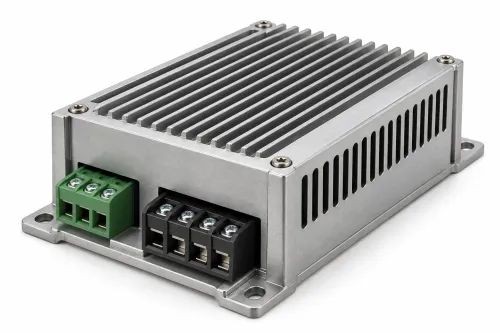
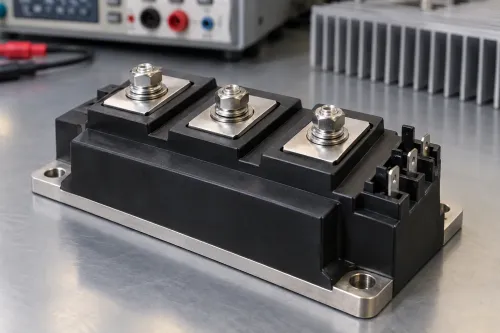
An industrial product may require semiconductors, diodes, transistors, integrated circuits, sensors, DC cooling fans, DC-DC converters, power modules, and other electronic components.
Managing too many fragmented sourcing channels can increase administrative effort.
Supplier consolidation can simplify communication and order management where technically and commercially practical. However, consolidation should never override appropriate component qualification or supply-risk management.
Consider Delhi's Wider Industrial Context
Delhi's electronics market connects closely with manufacturing and industrial activity throughout the National Capital Region and neighbouring parts of North India.
OEMs, automation businesses, equipment manufacturers, distributors, system integrators, and maintenance organisations may require anything from development quantities to recurring production volumes.
This makes responsiveness and supply planning particularly relevant for B2B component sourcing.
MAXGTECH operates in the electronic components segment in Delhi, covering semiconductor and industrial electronics requirements for business customers. Procurement managers evaluating the company, or any other provider, should assess how well the available sourcing capabilities align with their approved components, quantity requirements, technical documentation needs, and production schedules.
Look at Total Procurement Cost
Component price is only one part of procurement economics.
The total cost can include:
Purchase price + logistics + inspection + engineering verification + inventory holding + production delay risk + replacement cost.
A slightly lower component quotation can lose its advantage if it introduces additional verification work or supply uncertainty.
For critical parts, continuity and specification accuracy may carry greater commercial value than a small unit-price difference.
Build Supplier Relationships Before an Emergency
Emergency sourcing provides limited time for technical and commercial evaluation.
OEMs can reduce this pressure by qualifying important suppliers before shortages occur, sharing forecasts for recurring components, and maintaining approved alternatives for critical parts.
An effective Industrial Electronic Components Supplier in Delhi should support this structured approach to procurement rather than being viewed only as a source for one-time purchases.
For manufacturers planning ongoing production, supplier readiness is ultimately measured by whether component sourcing remains accurate, predictable, and aligned with engineering requirements. A disciplined sourcing strategy gives procurement teams greater control while helping production departments avoid preventable interruptions.