Industrial drives, inverters, power conversion equipment, renewable energy systems, welding equipment, and high-power control applications often require semiconductor devices capable of handling substantial voltage and current.
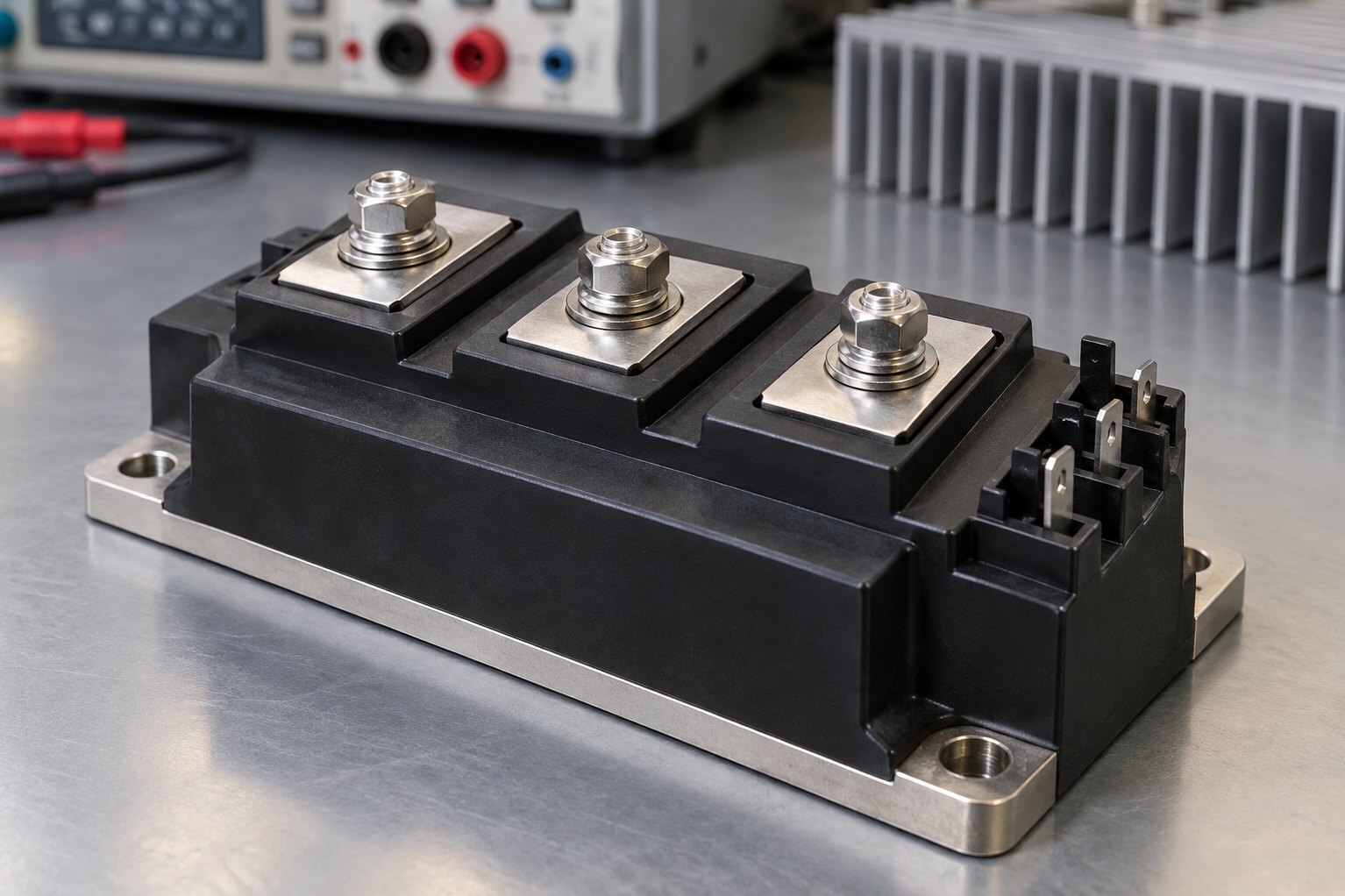
IGBT modules and associated diode configurations are widely used in these environments. Selecting an IGBT Diode Module Supplier therefore requires careful evaluation of electrical ratings, thermal requirements, switching behaviour, mechanical compatibility, and supply continuity.
Start With the Existing Circuit Requirements
For a new design, engineers can evaluate multiple module families based on system requirements. Replacement sourcing is more restrictive because the new module may need to fit an existing mechanical and electrical design.
Important information includes:
- Voltage rating
- Current rating
- Module configuration
- Package dimensions
- Terminal arrangement
- Switching frequency
- Thermal characteristics
- Isolation requirements
- Operating temperature
The complete manufacturer part number should be used whenever available.
Do Not Select by Current Rating Alone
A common mistake in power semiconductor sourcing is comparing only voltage and current.
Two modules with similar headline ratings may differ significantly in switching losses, conduction losses, thermal resistance, internal configuration, and package design.
These differences can influence inverter efficiency, temperature rise, switching behaviour, and compatibility with the gate-drive circuit.
Thermal Management Is Critical
IGBT modules generate heat during switching and conduction.
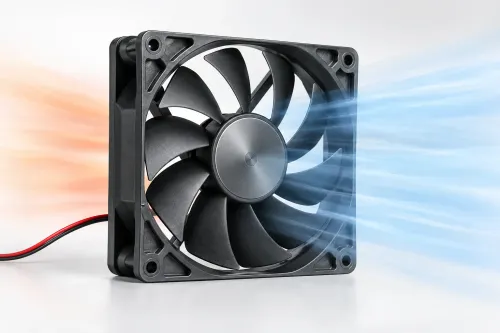
Effective thermal management may involve heatsinks, thermal interface materials, airflow, liquid cooling, or other techniques depending on power level.
Engineers should examine junction temperature limits and thermal resistance information rather than assuming a larger module automatically solves thermal issues.
Mounting quality also matters. Uneven surfaces, incorrect torque, or inappropriate interface materials can reduce heat transfer.
Review the Freewheeling Diode Characteristics
In many power conversion applications, diode behaviour is closely linked with IGBT operation.
Reverse recovery characteristics, losses, current capability, and thermal performance can influence overall system efficiency.
When evaluating alternatives, engineers should therefore compare the complete module rather than focusing solely on the transistor section.
Mechanical Compatibility Can Prevent Substitution
Power modules often connect directly to busbars, PCBs, heatsinks, or mechanical assemblies.
A module that is electrically attractive may still be unsuitable if terminal positions, mounting holes, dimensions, or insulation arrangements differ.
Replacement evaluation should include mechanical drawings alongside electrical datasheets.
Supply Continuity Matters for Industrial Equipment
Industrial equipment can remain operational for many years. Maintenance departments may need replacement power modules long after the original machine was commissioned.
OEMs can reduce future sourcing risk by recording approved alternatives and maintaining accurate component documentation.
MAXGTECH works with electronic and semiconductor component requirements for industrial buyers in Delhi. Procurement teams evaluating IGBT and diode module sourcing should provide complete technical information and clearly identify whether the requirement is for new production, repair, or replacement.
This context can materially affect component selection.
Look Beyond Purchase Price
For power electronics, an unsuitable module can create far greater costs than the difference between two quotations.
Failure may affect expensive equipment, production schedules, field servicing, and engineering resources.
Supplier evaluation should therefore consider identification accuracy, documentation, availability, packaging, and repeat sourcing capability alongside price.
A dependable IGBT Diode Module Supplier should fit the technical qualification process established by the engineering team.
When electrical ratings, thermal performance, switching characteristics, mechanical dimensions, and sourcing continuity are evaluated together, industrial buyers can make better-informed decisions and reduce avoidable risks in power electronic systems.