Electronic manufacturers, OEMs, automation companies, repair businesses, and industrial equipment developers depend on a steady supply of electronic components. A delayed component, incorrect specification, or inconsistent batch can disrupt an entire production schedule. This makes selecting the right Electronic Components Manufacturer in Delhi an important procurement decision rather than a routine purchase.
Delhi serves a large electronics market connected with industrial and manufacturing clusters across Delhi NCR and neighbouring regions. Procurement teams sourcing components here often evaluate more than price. Technical compatibility, component traceability, availability, documentation, and supply consistency can be equally important.
What B2B Buyers Should Evaluate
Electronic components may look similar physically while having significantly different electrical characteristics. Before approving a supplier or manufacturer, buyers should verify the specifications that directly affect their application.
Important parameters can include:
- Operating voltage and current
- Power rating
- Temperature range
- Package type and dimensions
- Switching characteristics
- Tolerance
- Frequency requirements
- Environmental operating conditions
- Compatibility with existing PCB designs
For industrial applications, specifications should always be considered alongside the actual operating environment.
A component used in laboratory equipment may experience relatively stable conditions, while components installed in industrial machinery could face vibration, electrical noise, temperature variation, dust, and continuous operating cycles.
Why Component Consistency Matters
OEM production depends heavily on repeatability. Engineers generally design a circuit around specific electrical characteristics, so unexpected component variation can create testing problems or affect final equipment performance.
Procurement managers should therefore consider whether a supplier can maintain consistency between initial samples and subsequent production quantities.
For manufacturers running repeated production cycles, dependable component availability also reduces the need to frequently redesign boards around alternative parts.
Technical Documentation Helps Procurement Decisions
A reliable sourcing process should involve documentation rather than purchasing solely from a product description.
Depending on the component, buyers may need:
- Datasheets
- Part numbers
- Manufacturer details
- Packaging information
- Electrical specifications
- Compliance information
- Batch or traceability information where applicable
Engineers can use this information to verify whether a component meets design requirements before procurement teams proceed with larger quantities.
This coordination between engineering and purchasing departments reduces the possibility of sourcing components that are commercially attractive but technically unsuitable.
Consider the Complete Component Requirement
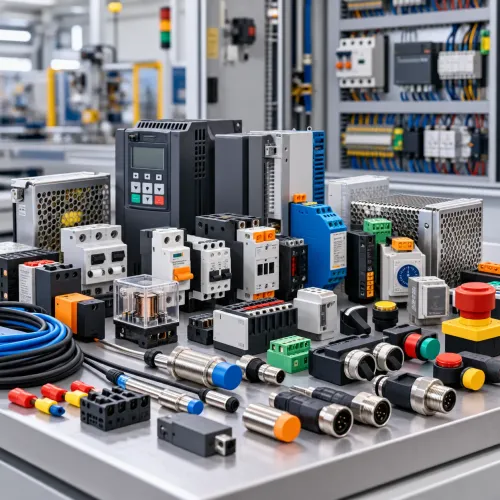
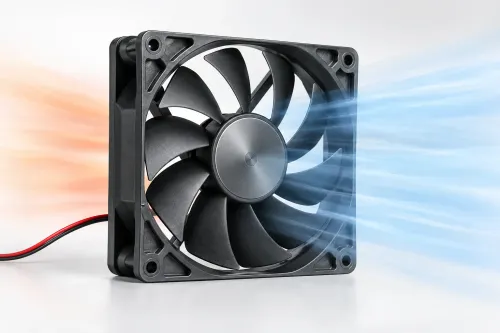
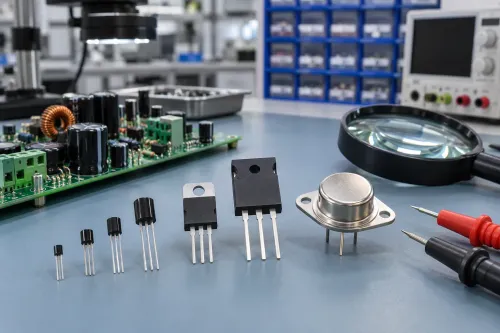
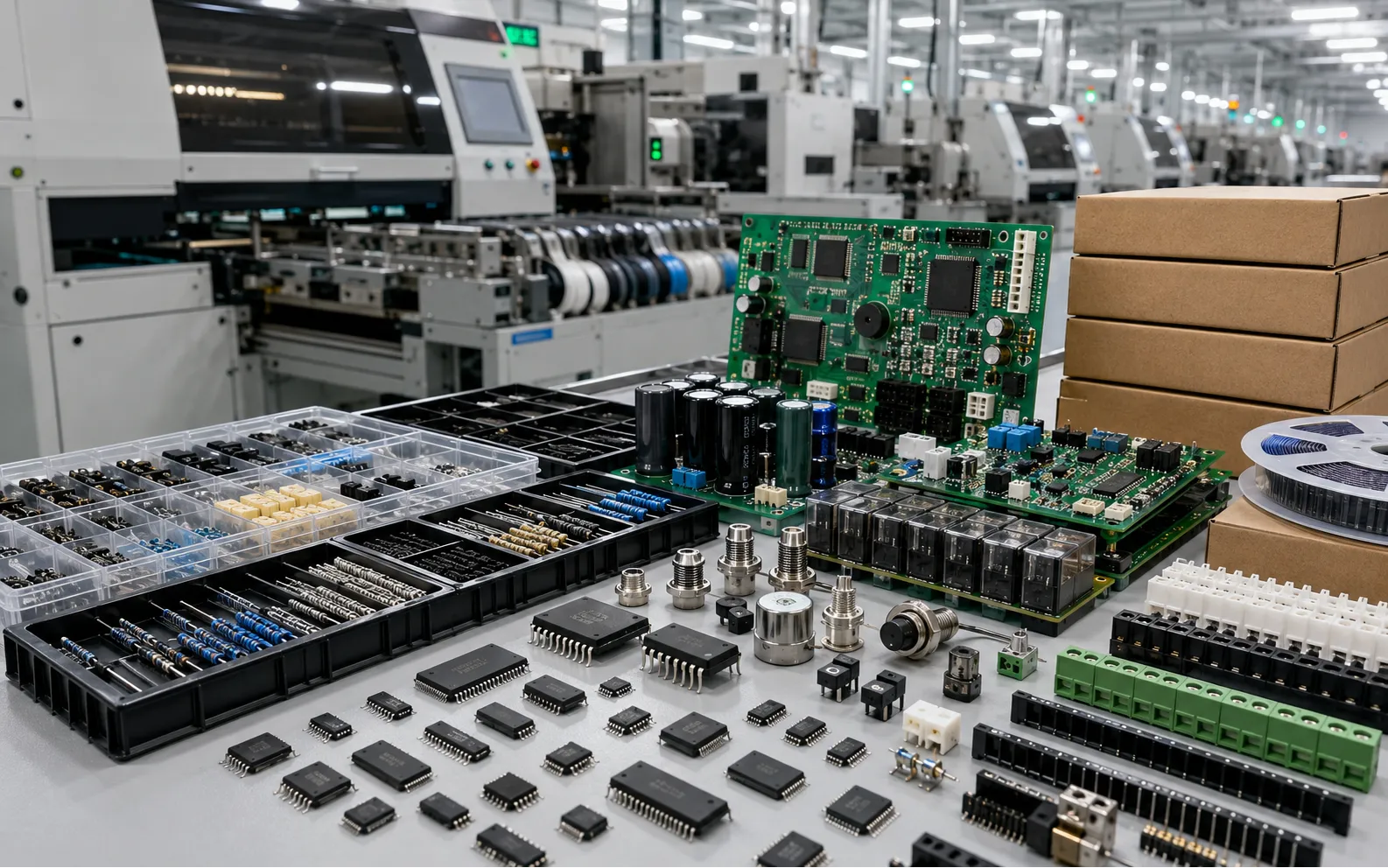
Many industrial buyers require several component categories for one project. These may include semiconductors, diodes, transistors, integrated circuits, sensors, converters, cooling components, and industrial electronic modules.
Working with a source that understands multiple component categories can simplify procurement, particularly when a bill of materials contains numerous electronic parts.
MAXGTECH operates in the electronic components sector in Delhi, serving requirements across semiconductor and industrial electronics categories. For B2B buyers, the practical value of any component source should ultimately be assessed against technical suitability, availability, and the ability to support recurring requirements.
Avoid Selecting Components on Price Alone
Unit price matters, particularly for volume procurement, but the lowest quotation may not represent the lowest overall sourcing cost.
Consider what happens when an unsuitable component reaches production. Additional expenses can arise through inspection, replacement, PCB rework, production downtime, engineering review, and delayed dispatch.
A better procurement calculation considers:
Component cost + quality risk + supply risk + testing effort + replacement cost + operational impact.
This approach gives purchasing teams a more realistic picture of sourcing value.
Build a More Reliable Procurement Process
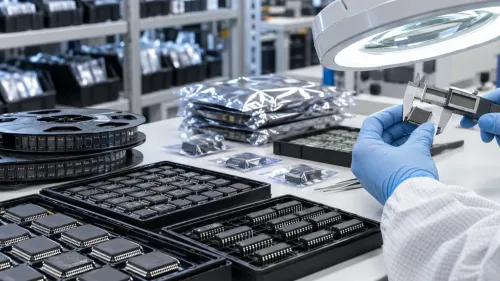
Before finalising an electronic component order, create an internal verification process covering part number, specification, quantity, packaging, lead time, and technical documentation.
For new components, engineering approval before bulk procurement can further reduce risk.
Delhi's electronics ecosystem gives industrial buyers access to a broad sourcing market, but greater choice also makes supplier evaluation important. A dependable Electronic Components Manufacturer in Delhi should fit both the technical requirements of engineers and the commercial requirements of procurement teams.
When those two priorities are aligned, component sourcing becomes more predictable and supports smoother production planning.
Keywords