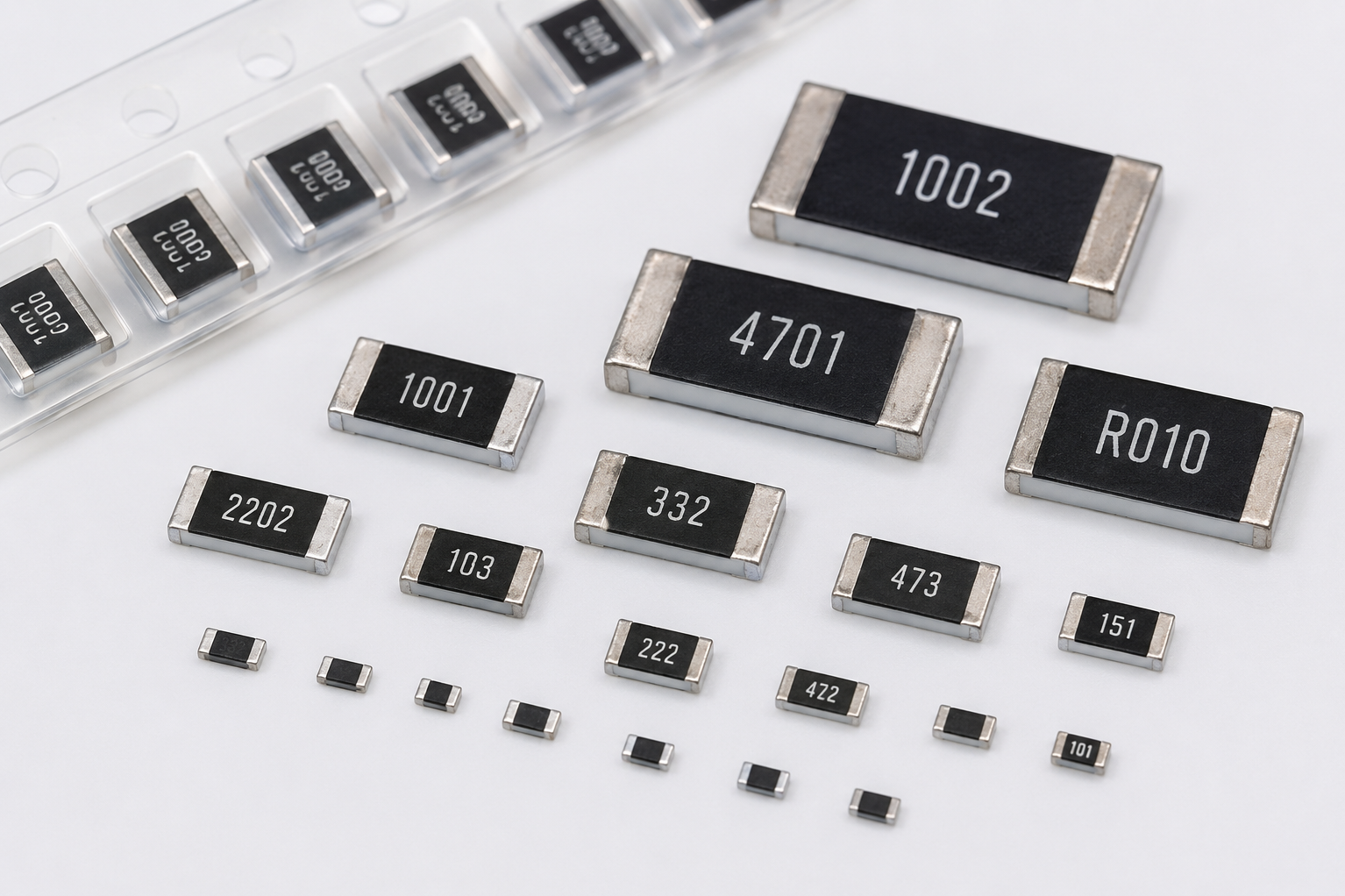
A resistor may be one of the smallest parts on a printed circuit board, but its role can be critical to the operation of the entire circuit. General purpose chip resistors are widely used in compact electronic assemblies because they offer a practical surface-mount solution for controlling current and managing voltage within circuits.
For electronics manufacturers and PCB assembly businesses in Delhi, choosing the correct chip resistor requires more than simply matching a resistance value.
What Is a General Purpose Chip Resistor?
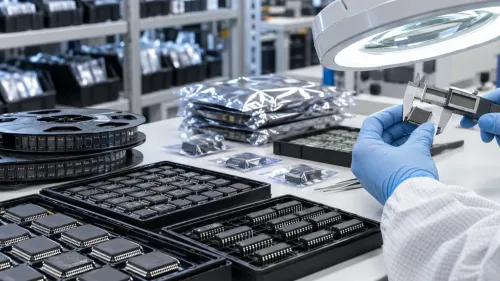
A general purpose chip resistor is a surface-mount passive electronic component designed to provide a specified electrical resistance.
Unlike traditional leaded resistors, chip resistors are designed for surface mounting directly onto printed circuit boards. Their compact construction makes them well suited to automated PCB assembly and modern high-density electronic designs.
They can be found in industrial equipment, consumer electronics, control systems, instrumentation and numerous embedded electronic products.
What Does a Chip Resistor Do?
The fundamental purpose of a resistor is to restrict electrical current.
Depending on circuit design, a general purpose chip resistor may be used for:
- Current limiting
- Voltage division
- Signal conditioning
- Biasing electronic devices
- Pull-up and pull-down functions
- Circuit protection
- Feedback networks
The required resistance depends on the circuit and the electrical conditions under which it will operate.
Important Specifications Buyers Should Check
Selecting a resistor based only on its resistance value is a common mistake.
Several additional parameters matter.
Tolerance: This indicates how closely the actual resistance value is expected to match its stated value.
Power rating: A resistor must safely dissipate the heat generated during operation.
Package size: Surface-mount resistors are available in different physical dimensions. PCB layout and power requirements influence the appropriate package.
Temperature characteristics: Resistance can change with temperature, making temperature performance important for certain precision or industrial applications.
Maximum operating voltage: The selected resistor must be appropriate for the voltage conditions within the circuit.
Why Application Conditions Matter
A resistor suitable for basic consumer electronics may not automatically be the best choice for industrial equipment.
Control panels, machinery electronics and industrial automation systems can operate for extended periods and may encounter elevated temperatures or changing electrical conditions.
Engineering teams should therefore evaluate the complete operating environment before finalizing component specifications.
Chip Resistor Requirements in Delhi's Electronics Sector
Delhi and neighbouring NCR industrial areas contain electronics manufacturers, PCB assemblers, automation companies and equipment manufacturers with varied component requirements.
MAXGTECH supports electronic component requirements in Delhi, including general purpose chip resistors for different electronics applications.
For procurement teams, maintaining consistency in specifications is particularly important when components are purchased repeatedly for production. Unexpected changes in tolerance, package or electrical characteristics can affect manufacturing and circuit performance.
Better Selection Supports Consistent Production
General purpose chip resistors may be relatively simple components, but correct selection contributes to dependable circuit operation.
Engineering and procurement teams should verify resistance, tolerance, power rating, package size and application conditions before approving a component.
For electronics businesses in Delhi, combining technical evaluation with consistent sourcing practices can help maintain greater stability across prototypes, PCB assemblies and ongoing production requirements.