Electronic components form the foundation of almost every modern electrical and electronic system. From industrial automation equipment and control panels to communication devices, embedded systems and consumer electronics, the performance of the finished product depends heavily on the components selected during design and manufacturing.
For electronics manufacturers, OEMs, system integrators and procurement teams in Delhi, understanding basic component categories can make specification, sourcing and quality evaluation considerably easier.
What Are Electronic Components?
Electronic components are individual devices used within an electronic circuit to control, process, regulate, store or transmit electrical signals. They may be broadly classified as active, passive or electromechanical components depending on their function.
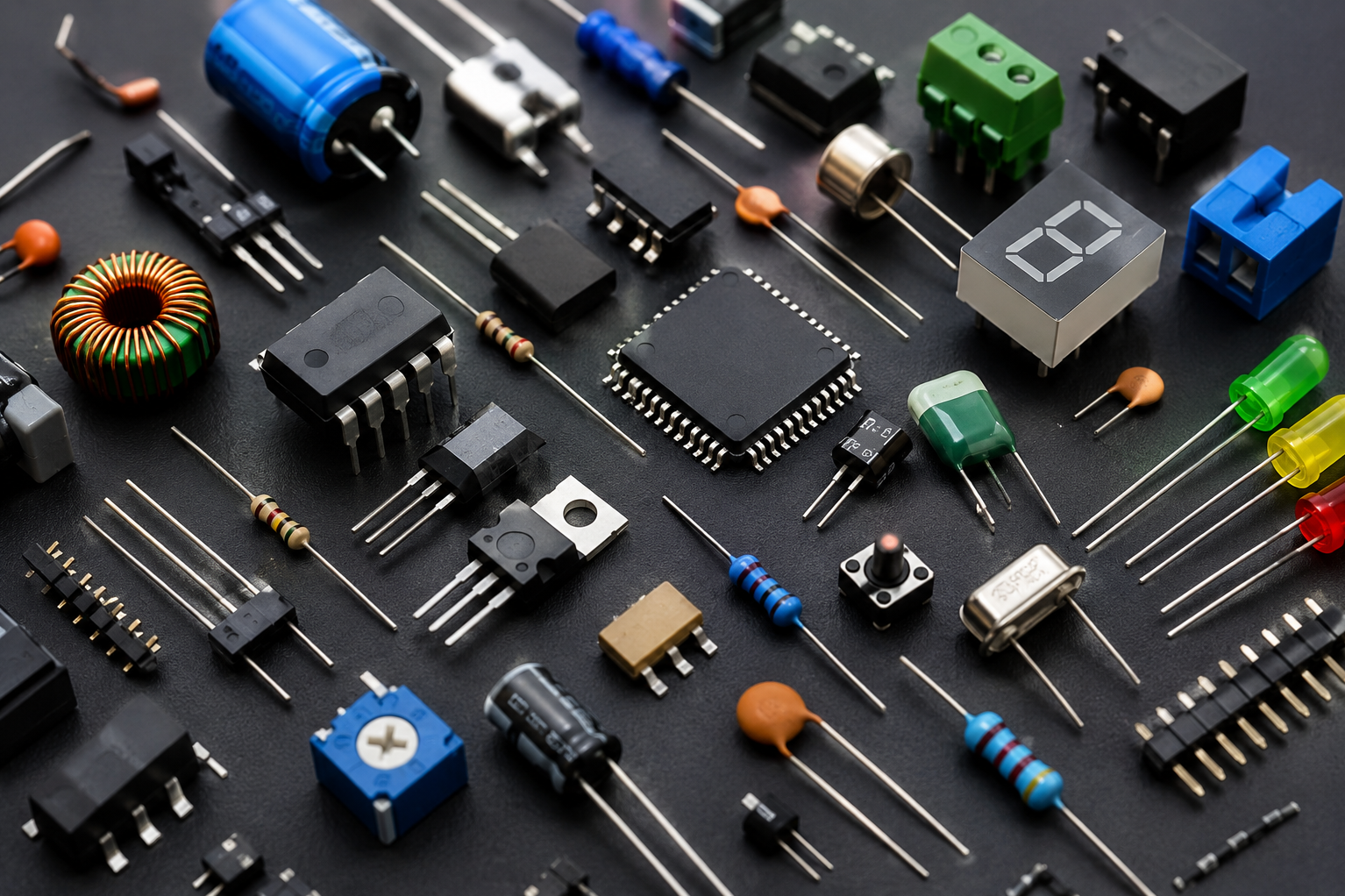
Common examples include:
- Resistors
- Capacitors
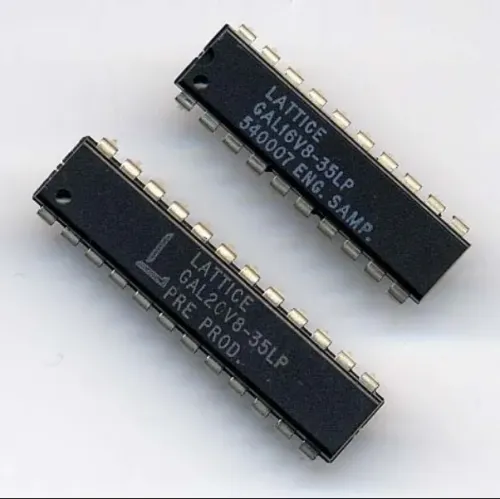
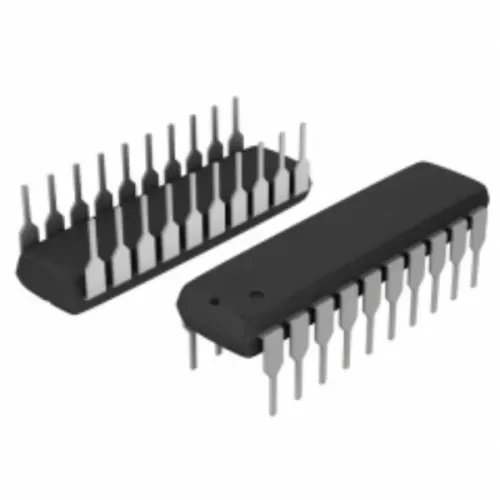
- Integrated circuits
- Diodes
- Transistors
- Sensors
- FPGA devices
- Switches
- Connectors
- Semiconductor components
Each performs a specific role, and even a seemingly small component can influence circuit stability, efficiency and overall equipment reliability.
Active and Passive Components: The Basic Difference
Passive components generally operate without providing electrical gain. Resistors, capacitors and inductors are familiar examples.
A resistor controls current flow or creates the required voltage conditions within a circuit. Capacitors can store electrical energy temporarily and are commonly used for filtering, coupling and power supply stabilization.
Active components, including transistors and integrated circuits, can control or amplify electrical signals. These components are particularly important in processing, switching and control applications.
Understanding this distinction helps engineering and purchasing teams evaluate specifications more accurately.
Why Component Specifications Matter
Two electronic components that appear similar may have significantly different electrical characteristics.
Before selecting a component, engineers normally consider parameters such as:
- Voltage rating
- Current rating
- Resistance or capacitance value
- Power rating
- Operating temperature
- Package dimensions
- Switching characteristics
- Tolerance
- Environmental suitability
For industrial applications, operating conditions deserve particular attention. Components installed in machinery or automation equipment may experience vibration, temperature variation, electrical noise and continuous operating cycles.
Electronic Component Requirements in Delhi's Industrial Market
Delhi and the wider Delhi NCR region support a substantial ecosystem of electronics manufacturers, automation companies, panel builders, equipment manufacturers and engineering businesses.
These companies may require components for prototype development as well as recurring production requirements.
MAXGTECH works within this electronic component ecosystem, supporting industrial and electronics-related requirements where correct specifications and dependable component selection are important.
For buyers, however, selection should never be based simply on availability. Datasheets, application requirements, electrical parameters and compatibility with the circuit design should all be evaluated before procurement.
Building Better Electronics Starts with Component Selection
Reliable electronics begin long before the final assembly reaches production. Component selection influences circuit performance, manufacturing consistency and the operational life of the finished system.
Whether a project requires resistors, integrated circuits, diodes, transistors, sensors or programmable devices, understanding the function and specifications of each component helps engineering teams make better decisions.
For manufacturers and industrial buyers across Delhi, a specification-driven approach to electronic component selection can reduce compatibility issues and create a stronger foundation for dependable electronic products.